
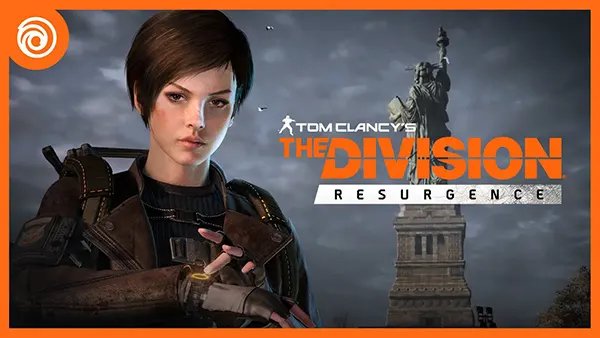
The Division Resurgence is Ubisoft’s attempt to bring the core mechanics of The Division series to mobile devices without simplifying the gameplay too much. Instead of creating a casual spin-off, the developers built a free-to-play third-person shooter that keeps the familiar structure: tactical combat, cooperative missions, gear progression, and a constant hunt for better equipment. For players who followed the original titles on PC and consoles, the main question is simple: does the mobile version preserve the depth of the series, and how does the loot and progression system actually function in practice?
How The Division Resurgence Adapts the Original Game for Mobile
The Division Resurgence takes place in the same universe as The Division and The Division 2. The events occur during the early stages of the viral outbreak in New York. Instead of continuing the story directly, the mobile version focuses on parallel operations carried out by Strategic Homeland Division agents during the collapse of civil infrastructure. This narrative approach allows Ubisoft to reuse familiar locations while introducing new missions and characters.
The game is built as an open-zone shooter rather than a strictly linear campaign. Players move through parts of New York that include both story missions and side activities. Enemy factions remain similar to those in earlier titles: organised groups controlling districts, each with distinct behaviour and combat tactics. This structure encourages exploration and repeated encounters with hostile groups while searching for gear.
Control design was clearly adapted for touchscreen gameplay. The developers introduced optional auto-fire and simplified aiming assistance. At the same time, players who prefer manual shooting can disable many of these features. Movement, cover mechanics, and skill activation still follow the tactical rhythm known from the main series, meaning positioning and ability usage remain important even on a smaller screen.
Classes and Abilities in the Mobile Version
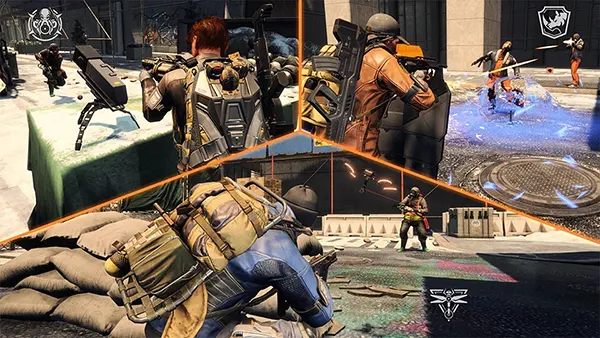
One of the biggest structural changes in The Division Resurgence is the introduction of a class system. Unlike the console titles, where builds are based mostly on equipment sets, the mobile version allows players to select a specialised agent role. Each class provides a unique tactical advantage, such as improved support abilities, defensive bonuses, or stronger assault capabilities.
Classes unlock gradually through gameplay progression. Early in the game players receive access to basic archetypes, while more advanced roles become available later. Each class includes a signature skill that defines its playstyle. For example, support agents may deploy healing devices or defensive drones, while offensive roles focus on damage output and crowd control.
Abilities are upgraded through progression rather than random drops. This system ensures that players steadily improve their tactical options as they complete missions. Skill upgrades typically affect cooldown times, effect radius, and efficiency during combat situations. The result is a clear development path that complements the equipment system.
The Loot System: How Equipment and Rewards Work
Loot remains the central motivation for long-term play in The Division Resurgence. As in previous games, enemies drop weapons, armour pieces, and crafting materials. Equipment is divided into rarity tiers, which determine both statistical strength and the number of available attributes. Higher rarity gear often includes additional bonuses that support specialised builds.
Weapons are divided into familiar categories such as assault rifles, marksman rifles, shotguns, and submachine guns. Each category performs differently in combat, encouraging players to adapt their loadouts depending on mission type. For example, close-range encounters favour shotguns and SMGs, while long-distance engagements reward precision weapons.
Armour pieces also play a crucial role in defining a character’s efficiency. Each piece contributes to armour rating and may contain attribute bonuses such as critical hit chance, weapon stability, or skill efficiency. Combining equipment with compatible attributes is the key to creating an effective build rather than relying solely on rarity level.
Gear Upgrades, Crafting, and Build Optimisation
In addition to random drops, players can improve their gear through crafting and upgrading. Crafting requires materials collected from missions, open-world activities, and dismantled equipment. This allows players to turn unwanted loot into resources that contribute to stronger items.
The upgrade system increases the base statistics of equipment pieces. Instead of replacing gear constantly, players may invest resources into improving favourite weapons or armour sets. This approach is particularly useful when an item already contains strong attribute combinations.
Build optimisation becomes more relevant at higher levels. When players unlock advanced gear tiers, attribute combinations begin to shape playstyle more clearly. Some builds prioritise weapon damage and critical hits, while others enhance ability cooldown reduction or defensive durability. The flexibility of this system allows experimentation without forcing a single optimal strategy.
Progression Systems and Long-Term Gameplay
Progression in The Division Resurgence combines several systems that work simultaneously. Players gain experience from missions, open-world encounters, and cooperative activities. Levelling up unlocks new story chapters, equipment tiers, and additional gameplay mechanics.
Another progression layer is tied to specialisation and agent development. Each class can be strengthened through upgrades that improve passive bonuses and skill performance. This system gradually transforms basic abilities into powerful tools during later stages of the game.
Endgame content focuses on repeated missions, high-difficulty challenges, and cooperative gameplay. Stronger enemies and improved rewards appear once players reach higher levels. This structure mirrors the long-term model used in other looter shooters, where character improvement continues long after the main story is finished.
Is The Division Resurgence Worth Playing in 2026?
From a design perspective, The Division Resurgence stands out among mobile shooters because it keeps many of the systems associated with the main franchise. Tactical combat, cooperative missions, and character builds remain core elements of gameplay rather than optional features.
The loot system is detailed enough to sustain long-term engagement. Instead of relying purely on random rewards, the game allows controlled progression through upgrades and crafting. This reduces frustration while still preserving the excitement of finding rare gear.
For players interested in tactical shooters on mobile devices, the game provides a surprisingly complex experience. While it cannot fully replicate the scale of PC or console entries, it delivers a structured progression system, varied equipment builds, and cooperative gameplay that remain central to the identity of The Division series.